The Art of Elegant Typography: Exploring the Sourdough Font
In a visual landscape saturated with digital precision, the human touch often creates the most memorable connection. This is precisely the space where the Sourdough handwritten script font excels, offering a seamless blend of timeless charm and modern sophistication that can elevate any creative project.
Understanding the Visual Impact of Sourdough
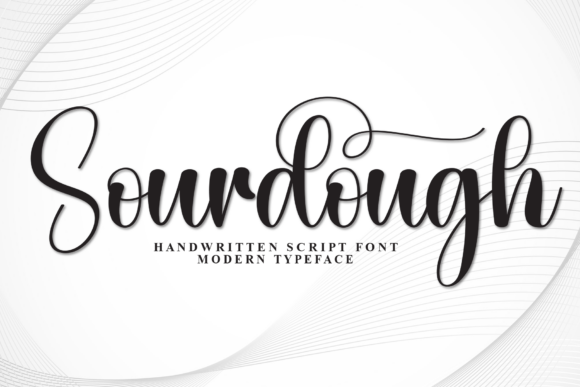
From a professional graphic design perspective, typeface selection is foundational to visual communication. Sourdough is not merely a font; it is a design asset crafted for projects that crave a delicate yet stylish touch. Its elegant, flowing strokes mimic authentic handwriting, which can instantly infuse warmth and personality into a brand identity. This quality makes it particularly valuable for designers, marketers, and business owners aiming to create a human-centric aesthetic that feels both premium and approachable.
Practical Applications Across Creative Projects
The versatility of a well-designed script font allows it to serve multiple functions within a single brand system or across diverse creative projects. Its primary strength lies in applications where emotional resonance and visual hierarchy are key. Consider its utility in the following areas:
- Branding and Logo Design: Sourdough can form the core of a logotype for boutique brands, artisanal goods, or lifestyle services, establishing an immediate sense of authenticity.
- Packaging Design: On physical products, its handwritten quality suggests craftsmanship, making it ideal for labels, tags, and wrappers in the food, beauty, or home décor sectors.
- Marketing and Social Media Graphics: Use it for headlines, quotes, or call-to-action phrases in digital marketing campaigns to cut through the noise of standard sans-serifs and boost user engagement.
- Invitations and Editorial Design: For wedding stationery, event programs, or magazine layouts, it adds a layer of elegance and personal invitation that formal typefaces sometimes lack.
Integrating Script Fonts into Your Design Workflow
While a font like Sourdough brings significant visual flair, its effectiveness depends on thoughtful implementation. A core principle of typography is balancing style with readability. Overusing a script font can clutter a layout and weaken the visual hierarchy. The most professional results often come from pairing it with a clean, simple sans-serif or serif font for body text, allowing Sourdough to command attention in headlines and key brand elements.
Evaluating any creative asset for a project involves considering consistency and scalability. How does the font render at small sizes on a mobile UI? Does it maintain its integrity in large-format print design? Testing a font across various mediums—web design, merchandise, and presentations—ensures it aligns with the project’s goals and audience expectations. Furthermore, its compatibility with your chosen color palette and overall composition will determine the polish of the final result.
Tips for Effective Typography Selection
- Define the Goal: Are you aiming for luxury, whimsy, or rustic charm? Ensure the font's personality matches the brand's voice.
- Prioritize Readability: Never sacrifice clarity for style. Ensure key messages are easily deciphered at a glance.
- Check Licensing: For commercial projects, always verify the font's license for your intended use, whether for digital products or advertising campaigns.
- Test Combinations: Experiment with font pairings to create a dynamic and engaging layout that guides the viewer's eye effectively.
Ultimately, the choice of typography is a powerful decision in the design process. A resource like the Sourdough font provides more than just letters; it offers a way to convey tone, emotion, and quality without a single word of body copy. By selecting assets that combine aesthetic appeal with functional integrity, creators can build stronger visual stories, foster deeper connections with their audience, and ensure every project presents a cohesive and professional image. Thoughtful design, supported by the right tools, is what transforms a simple message into a compelling experience.