Rosemary: A Handwritten Font with Modern Charm
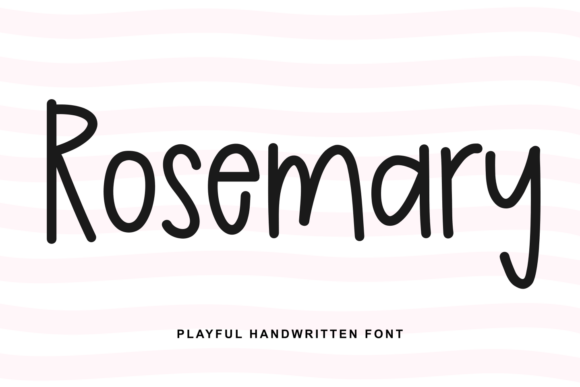
In a digital landscape saturated with clean sans-serifs and bold serifs, a font that feels genuinely human can make all the difference. Rosemary is exactly that—a delightful handwritten typeface that injects warmth, personality, and an authentic touch into any design project. Its tall, playful letterforms and naturally flowing strokes capture the carefree spirit of handwritten notes while maintaining excellent readability, a crucial balance for effective visual communication.
The Anatomy of a Charming Typeface
Rosemary's design is a study in thoughtful simplicity. The balanced spacing and whimsical character shapes create a fresh, modern handwritten style that feels both authentic and approachable. Unlike overly ornate scripts that can sacrifice clarity, Rosemary prioritizes legibility. This makes it a versatile asset in a designer's toolkit, suitable for a wide range of applications from large headlines to shorter blocks of text where a personal touch is desired.
Its clean and friendly appearance bridges the gap between casual and creative, allowing it to adapt to various brand voices. For a graphic designer, this versatility is invaluable. It means a single typeface can help establish a cohesive brand identity across multiple touchpoints, from digital marketing materials to physical packaging, ensuring consistency while maintaining a distinct personality.
Practical Applications Across the Design Spectrum
The true value of a font like Rosemary is revealed in its application. It excels in projects where conveying warmth, creativity, and a human connection is paramount. Consider these practical uses for integrating this typeface into your design workflow:
- Branding & Logo Design: Use Rosemary for logos, taglines, or secondary brand marks for businesses in lifestyle, wellness, food, children's products, or artisanal goods. It instantly communicates a handcrafted, personal quality.
- Marketing & Social Media Graphics: Stand out in crowded feeds. Rosemary is perfect for quotes, call-to-action overlays, and story templates on Instagram or Pinterest, adding a cheerful and welcoming touch that boosts engagement.
- Packaging & Editorial Design: On product labels, greeting cards, or magazine pull-quotes, it adds a layer of charm and authenticity. It works beautifully in editorial layouts to highlight testimonials or introductory paragraphs.
- Digital & Web Design: While best used sparingly in UI for headings or accent text, it can add significant personality to a website's hero section, about page, or blog post titles, enhancing the overall user experience with a friendly vibe.
Integrating Typography into Your Design System
Choosing a font is just the first step; integrating it effectively is what elevates a design. When using a distinctive handwritten font like Rosemary, thoughtful application is key to maintaining a professional presentation. Always consider your project's visual hierarchy. Use Rosemary for headings or key phrases to draw the eye, paired with a simple, highly legible sans-serif for body copy. This contrast creates a dynamic and organized layout.
Furthermore, evaluate your color palette. Rosemary's friendly forms often pair well with soft, natural colors or can provide a striking contrast against minimalist, monochromatic backgrounds. Test its scalability for your intended use—whether for large-scale posters or small social media icons—to ensure it remains clear and impactful. Finally, ensure its tone aligns with your audience's expectations and your overall design goals. A playful font might be perfect for a children's brand but less so for a corporate law firm.
In the end, every creative asset you choose contributes to the story your design tells. Selecting resources that offer both aesthetic appeal and functional utility, like the Rosemary font, empowers you to build more engaging, memorable, and effective visual experiences. Thoughtful typography is a cornerstone of quality design, transforming simple messages into compelling visual narratives that resonate with your audience.