Exploring the Skeleton Font: A Designer's Guide to Versatile Typography
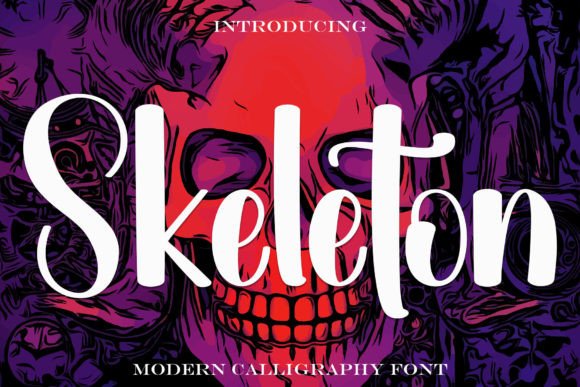
Every designer knows the power of a typeface that can adapt to any mood, and Skeleton is a fun and versatile handwritten font that proves this point perfectly. Whether you’re using it for crafting, digital designing, presentations, or greeting card making, it’s perfect for injecting personality and warmth into a wide range of creative projects. In the realm of modern graphic design, where authenticity and human connection are highly valued, a well-crafted handwritten font like Skeleton becomes an indispensable creative asset. It bridges the gap between polished professionalism and approachable charm, making it a valuable tool for designers, marketers, and business owners alike.
The Role of Handwritten Typography in Visual Communication
Typography is the voice of your design, and choosing a handwritten style like Skeleton speaks volumes about a brand's identity. It communicates creativity, approachability, and a personal touch, which is essential for brands looking to build genuine connections with their audience. This font style excels in creating effective visual hierarchy, drawing the eye to key messages without appearing overly rigid. Its organic flow can soften a corporate brand identity, add a playful element to a startup's logo design, or provide an artisanal feel for packaging design. The visual impact is immediate, fostering a sense of trust and relatability that sterile, standard fonts sometimes lack.
Practical Applications for the Skeleton Font
The true strength of a versatile font lies in its adaptability across various design contexts. Skeleton’s clean legibility and charming character make it suitable for numerous applications, ensuring consistency across a brand’s touchpoints. Consider integrating it into your design workflow for the following creative projects:
- Branding and Logo Design: Use Skeleton to craft memorable wordmarks or complementary taglines that feel personal and unique, strengthening overall brand identity.
- Marketing Materials: Enhance brochures, flyers, and digital marketing assets with handwritten accents that capture attention and convey a friendly tone.
- Social Media Graphics: Create engaging posts, stories, and quotes that stand out in a crowded feed, improving user engagement and shareability.
- Website and UI Design: Apply it sparingly for headings, pull quotes, or calls-to-action in web design to add personality without compromising the user experience (UX).
- Packaging and Merchandise: Elevate product labels, tote bags, and stationery with a handcrafted aesthetic that appeals to consumers seeking authenticity.
Tips for Effective Implementation
While a fun font like Skeleton is tempting to use everywhere, thoughtful application is key to maintaining a professional presentation. Always consider your audience and the project's goals. For instance, a handwritten font may not be ideal for long-form body text where readability is paramount, but it shines in headlines and short, impactful statements.
Pair Skeleton with a simple, clean sans-serif or serif font to create a balanced visual hierarchy. This contrast ensures that your main message remains clear while the handwritten elements provide style and emphasis. Pay attention to kerning and leading to ensure the text feels natural and not cramped. When selecting a color palette, consider how the font interacts with different hues; it often pairs beautifully with soft pastels for a gentle feel or with bold, vibrant colors for a more energetic design. By evaluating scalability and compatibility with your existing design systems, you can seamlessly integrate Skeleton into your workflow, ensuring your final product is both aesthetically pleasing and functionally sound.
In the dynamic world of visual design, the assets you choose directly influence how your message is perceived and received. A thoughtfully selected creative resource like the Skeleton font does more than just display words; it enhances storytelling, reinforces brand identity, and elevates the overall design quality. By prioritizing typography that aligns with your visual goals and resonates with your target audience, you invest in clearer communication and more impactful creative work. The right font is a powerful tool, turning ordinary layouts into compelling narratives that captivate and engage.