Leonardo: The Uniquely Crafted Font for Authentic Design
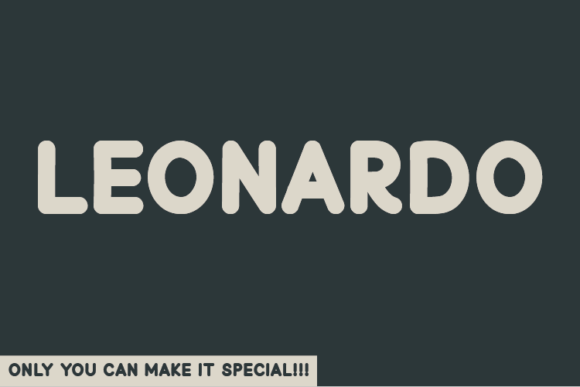
In a world saturated with digital perfection, the organic touch of a handwritten font can be the key to creating a genuine connection with your audience. Leonardo stands out as a natural handwritten font, crafted with a remarkable attention to detail—each character's indentation was created without altering a single node, resulting in an authentic and unique texture. This isn't just another script font; it's a versatile tool designed to inject personality, warmth, and a human touch into a wide array of creative projects, from quotes and notes to product design and branding.
Why Authentic Typography Matters in Modern Design
Effective visual communication relies on more than just conveying information; it's about evoking the right emotion and establishing a memorable brand identity. Typography is a cornerstone of this process. While clean sans-serifs and classic serifs have their place, a font like Leonardo offers a distinct advantage. Its imperfect, natural flow breaks the sterility of digital text, making messages feel personal, approachable, and crafted. This is invaluable for brands aiming to foster trust and authenticity in their visual design.
Practical Applications for Leonardo
The true value of a creative asset lies in its versatility. Leonardo's handwritten style is surprisingly adaptable, enhancing various design contexts:
- Branding and Logo Design: Use it for a logo or brand name to instantly convey craftsmanship, creativity, and a personal touch. It's perfect for artisanal products, boutique studios, or lifestyle brands.
- Marketing Materials: Elevate social media graphics, email headers, and digital ads with handwritten quotes or calls-to-action that grab attention and feel less corporate.
- Editorial and Packaging Design: Add flair to magazine layouts, book covers, or product packaging. A handwritten accent on a label can suggest quality and care.
- Web and UI Design: Thoughtfully applied in hero sections, testimonial sliders, or as a decorative element, it can improve user engagement by adding visual interest and breaking monotony.
- Mechandise and Digital Products: Ideal for designing t-shirts, posters, mugs, or digital downloads where a personal, artistic statement is desired.
Integrating Leonardo into Your Design Workflow
Successfully incorporating a distinctive font like Leonardo requires strategic thinking to maintain a professional presentation. Here are key considerations:
- Pairing for Visual Hierarchy: Balance Leonardo with a clean, neutral font for body text. This creates a clear hierarchy, ensuring readability while allowing the handwritten font to shine as a headline or accent.
- Context is King: Evaluate its suitability for your audience and medium. While perfect for creative and consumer-facing projects, it may not align with the expectations of a formal corporate report.
- Scalability and Readability: Test the font at various sizes. Its detailed nature works best at larger scales for headlines and short phrases rather than dense paragraphs.
- Consistency in Brand Systems: Define clear guidelines for its use—specific applications, color pairings, and spacing—to ensure consistency across all touchpoints, reinforcing your brand identity rather than diluting it.
Choosing the right creative assets is a fundamental part of the design process that directly impacts aesthetics and communication. Leonardo exemplifies how a thoughtfully crafted typography solution can solve specific visual challenges, offering a tool that is both beautiful and functional. By selecting resources that align with your project's goals and audience expectations, you invest in designs that are not only visually compelling but also strategically effective, ultimately enhancing the quality and impact of your creative work.