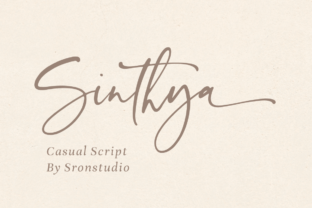
Sinthya: The Handwritten Font for Authentic Design
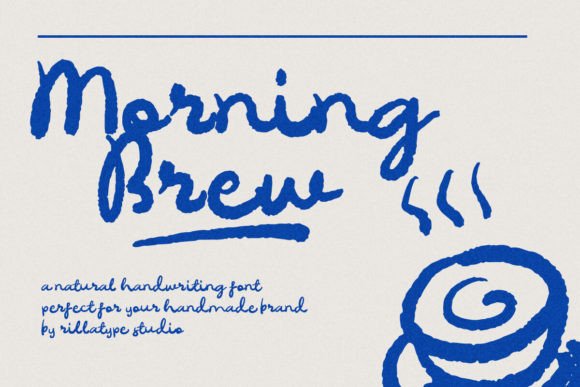
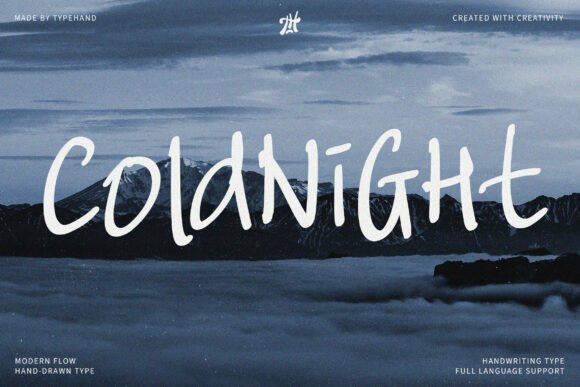
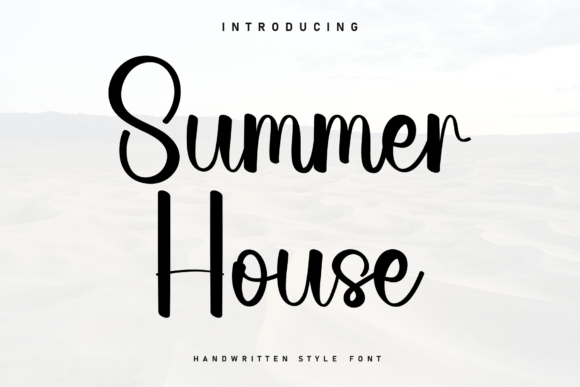
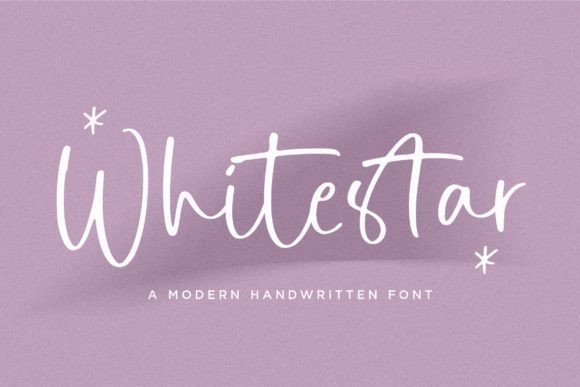
In a digital landscape saturated with sterile, geometric typefaces, a single, well-crafted handwritten font can cut through the noise and forge an immediate human connection. This is the core appeal of Sinthya, a natural handwritten font designed to infuse projects with personality and warmth. More than just a script, it's a versatile tool for designers seeking to add a signature touch that feels both authentic and professionally polished, making it a valuable asset in any modern graphic design toolkit.
The Power of Authentic Typography in Branding
Effective visual communication relies on more than just clarity; it requires emotion. Typography is a primary vehicle for conveying brand personality. A font like Sinthya excels in contexts where approachability, creativity, and personal service are key brand values. Its fluid, organic strokes can transform a standard logo into a memorable mark, or turn marketing collateral into an engaging conversation. For businesses in creative industries, wellness, hospitality, or boutique retail, this font can be the cornerstone of a compelling brand identity.
Practical Applications Across Design Projects
The utility of a natural handwritten font extends far beyond a simple logo. Its adaptable nature makes it suitable for a wide array of creative projects, ensuring consistency in visual style while maintaining a unique charm.
- Logo Design & Branding: Create distinctive wordmarks or complementary script elements that establish a warm, inviting tone.
- Marketing Materials: Use in brochures, flyers, and email headers to add a personal, trustworthy feel to calls-to-action and headlines.
- Social Media Graphics: Stand out in feeds with eye-catching quotes, announcements, and stories that feel handcrafted and genuine.
- Web & UI Design: Apply selectively for hero text, testimonials, or accent headings to enhance user experience with a touch of personality, provided readability is maintained.
- Packaging & Editorial Design: Elevate product packaging, book covers, or magazine layouts with script elements that suggest craftsmanship and care.
Integrating Sinthya into Your Design Workflow
Successfully incorporating a distinctive typeface like Sinthya requires strategic thought. The goal is to enhance, not overwhelm, your visual hierarchy. Use it for key focal points—a headline, a product name, a quote—to draw the eye and set the mood. Pair it with a clean, neutral sans-serif or serif font for body text to ensure optimal readability and a balanced composition. Always consider your audience's expectations and the medium's constraints; what works beautifully on a wedding invitation may need adjustments for a mobile app interface.
Tips for Effective Font Implementation
- Prioritize Context: Match the font's style to your project's message. Sinthya's natural flow suits heartfelt, creative, or luxurious themes.
- Ensure Scalability: Test the font at various sizes to confirm it remains legible, especially for digital applications like UI design or small-scale print.
- Maintain Consistency: Define clear usage guidelines within your brand system—specifying where and how the script should be used—to create a cohesive professional presentation.
- Test for Accessibility: Contrast and letter spacing are crucial. Avoid using handwritten fonts for long blocks of critical text or where high-contrast accessibility is a legal requirement.
Thoughtful typography is a silent ambassador for quality. Selecting the right creative assets, like a versatile handwritten font, is an investment in your project's emotional resonance and visual impact. By prioritizing designs that communicate with both clarity and character, you build stronger connections with your audience, turning ordinary layouts into memorable experiences that truly reflect the essence of your brand or message.