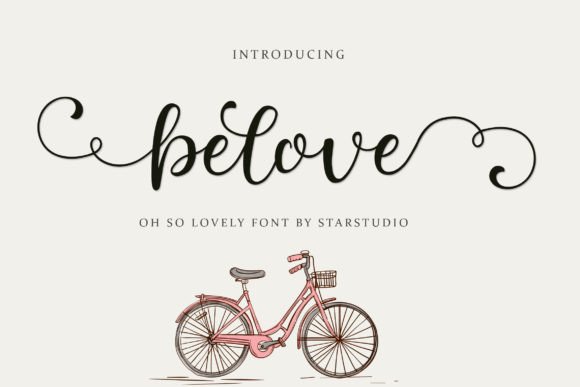
Belove: Crafting Warmth with Handwritten Typography
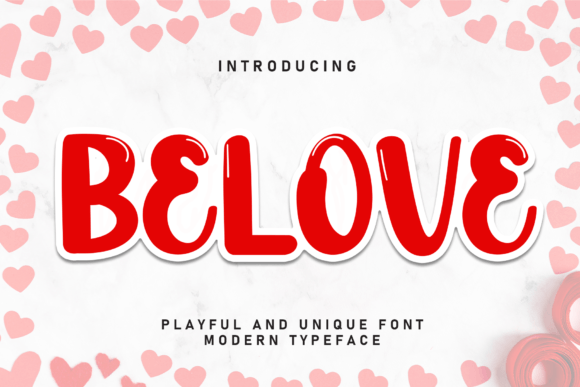
Imagine a design that feels like a warm, personal note—a visual that immediately connects on an emotional level. This is the power of a typeface like Belove, a charming handwritten font that brings sweetness and friendliness to any project. In a digital landscape often dominated by clean, geometric sans-serifs, incorporating a whimsical script can be a strategic move to capture attention and convey authenticity, making your brand or design instantly more relatable and memorable.
The Role of Handwritten Fonts in Modern Design
Typography is a cornerstone of visual communication, and the choice of font dramatically influences tone and perception. While professional presentations often demand crisp, legible typefaces, there is a growing trend toward designs that embrace human imperfection and warmth. Handwritten fonts like Belove serve this need perfectly. They break the sterile barrier of digital text, injecting personality into layouts and helping to build a brand identity that feels approachable, creative, and full of life. This is crucial for businesses and creators looking to foster a genuine connection with their audience.
Practical Applications for Creative Impact
Belove’s versatility makes it a valuable creative asset across numerous design disciplines. Its whimsical nature is not limited to casual use; when applied thoughtfully, it can elevate a wide range of projects. Consider these applications to enhance your visual design strategy:
- Branding & Logo Design: Use it for brand marks, taglines, or submarks in logos for bakeries, boutiques, wedding planners, or creative studios to emphasize craftsmanship and a personal touch.
- Marketing Materials: Enhance the effectiveness of flyers, brochures, and email headers for promotions, events, or product launches that aim to feel exclusive and inviting.
- Social Media Graphics: Create scroll-stopping posts, Instagram stories, and Pinterest pins that stand out in crowded feeds with a friendly, engaging aesthetic that boosts user engagement.
- Web & UI Design: Strategically apply it to hero sections, pull quotes, or call-to-action buttons on websites to guide the eye and add a layer of emotional appeal, improving overall user experience.
- Packaging & Print Design: Ideal for labels, gift tags, thank-you cards, and wedding invitations, where the font itself becomes part of the unboxing experience and product storytelling.
Integrating Belove into Your Design Workflow
To maximize the impact of a script font, thoughtful integration is key. Always prioritize readability and visual hierarchy. Belove is best used for headlines, accents, and short bursts of text rather than lengthy body copy. Pair it with a simple, neutral sans-serif or serif font to create a balanced and professional composition. This contrast ensures clarity while allowing the handwritten style to shine without overwhelming the viewer. Furthermore, consider your color palette; warm, soft colors often complement its friendly vibe, while a bold, contrasting hue can make it pop in advertising campaigns.
When selecting any creative asset, evaluate its scalability, licensing, and compatibility with your existing brand systems. A font like Belove should align with your overall design goals—whether you’re aiming for whimsical elegance, casual fun, or rustic charm. Test it in context with your imagery and layout to ensure it enhances, rather than distracts from, your core message.
Ultimately, successful graphic design is about making intentional choices that resonate with your target audience. Incorporating a distinctive element like the Belove font demonstrates an understanding of visual trends and a commitment to creating a holistic, engaging brand experience. By carefully selecting and applying high-quality creative assets, you not only improve the aesthetic appeal of your projects but also strengthen your communication, making every design masterpiece more effective and delightful.