Kith: The Art of Modern Handwritten Typography
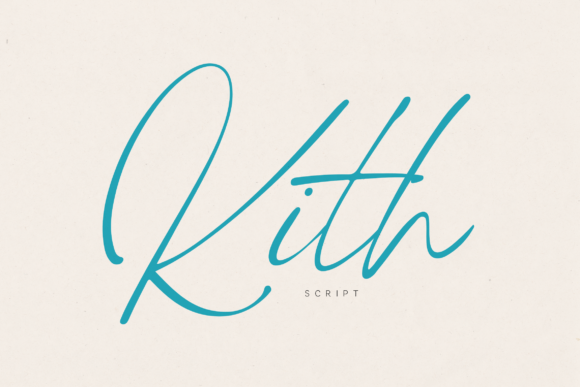
In the crowded landscape of digital design, finding a typeface that conveys genuine warmth without sacrificing readability is a rare discovery. Kith stands out as a graceful handwritten script designed to capture the natural movement of flowing handwriting while maintaining clarity and balance in every letterform. It brings a light and sophisticated handwriting style that works beautifully in modern visual design, offering designers a tool that feels both personal and polished.
Understanding the Anatomy of Kith
At its core, Kith is defined by its thin flowing strokes and gentle curves. Unlike heavy, ornate calligraphy that can feel dated or difficult to read on screens, Kith embraces modern aesthetics. The letterforms are constructed with a keen eye for negative space, ensuring that even at smaller sizes, the text remains legible. This balance between artistic flair and functional design is what makes it a valuable asset for professional graphic designers.
The typeface avoids the "ransom note" effect often seen in lesser scripts by ensuring consistent baseline alignment and harmonious connections between letters. This attention to detail ensures that the font enhances rather than distracts from the message, a critical component of effective visual hierarchy.
Practical Applications for Visual Design
The versatility of Kith allows it to be applied across a wide range of creative projects. Its sophisticated tone makes it particularly effective where a human touch is required to bridge the gap between a brand and its audience. Here are some key areas where Kith excels:
- Branding and Logo Design: For brands aiming for a boutique, artisanal, or approachable identity, Kith serves as an excellent wordmark or secondary script. It pairs well with clean sans-serifs to create a dynamic contrast in logo design.
- Packaging Layouts: In the world of packaging design, shelf appeal is everything. Kith adds an organic, handcrafted feel to labels for cosmetics, food products, or lifestyle goods, suggesting quality and care.
- Editorial Compositions: Magazines and blogs can use Kith for pull quotes or section headers. It breaks up the monotony of body text and guides the reader’s eye through the visual hierarchy of the page.
- Invitations and Stationery: While digital applications are vast, Kith retains its charm in print design, making it ideal for wedding invitations, thank you cards, and boutique stationery.
Integrating Typography into Modern Workflows
When incorporating a script like Kith into a design system, context is paramount. It is rarely the best choice for long-form body copy, but it shines when used for emphasis. In UI design and web design, Kith can be used sparingly for landing page headers or feature callouts to soften the often rigid nature of digital interfaces.
For digital marketing and social media graphics, readability is king. Because Kith possesses a light and sophisticated handwriting style, it works beautifully for overlaying text on images without obscuring the visual content. It ensures that the message is delivered quickly, which is essential for the fast-paced nature of social media content.
Tips for Effective Implementation
To maximize the impact of Kith in your creative workflow, consider the following recommendations:
- Contrast is Key: Pair Kith with a geometric sans-serif for the body text. This contrast ensures that the handwritten elements stand out while the main content remains easy to scan.
- Color Palette Selection: Soft, muted colors often complement the delicate nature of Kith’s strokes. However, high-contrast colors can be used for a bold, modern pop-art aesthetic.
- Scalability: Always test the font at the intended output size. While Kith is balanced, very intricate scripts can lose detail on low-resolution screens. Ensure your design workflow includes testing across devices.
Ultimately, the goal of typography is to communicate a message with the right emotional resonance. By selecting assets like Kith, designers move beyond mere decoration and begin to build a distinct voice for their projects. Thoughtful design choices, supported by high-quality creative assets, are what transform a standard layout into a memorable visual experience, improving both the aesthetic quality and the communicative power of the work.