The Art of Personal Touch in Modern Design
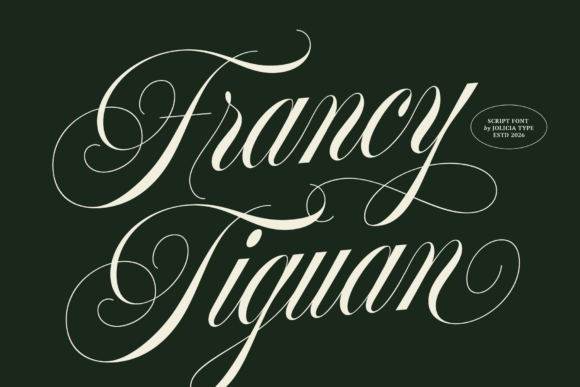
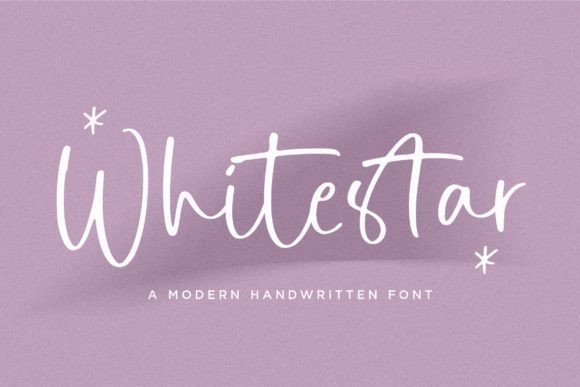
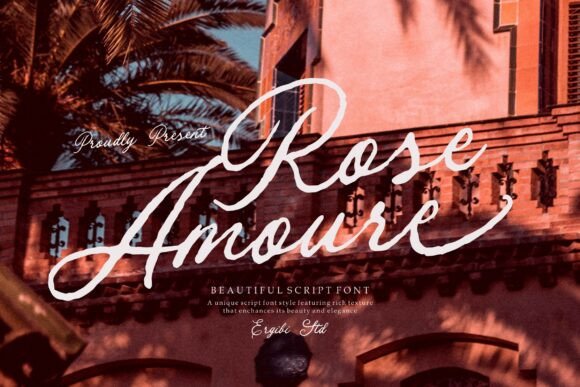
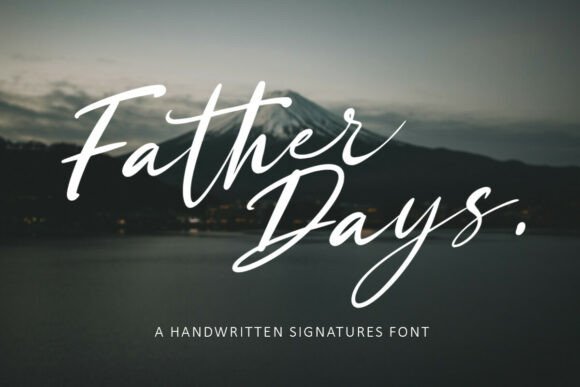
In a digital landscape saturated with crisp, clean vectors, the authentic, human element of a handwritten signature font like Father Days offers a powerful way to connect. This typeface captures the genuine flow of a pen, providing designers with a tool that feels both intimate and impeccably professional. It’s more than just letters; it’s a statement of elegance and personality that can elevate a project from standard to standout.
Understanding the Power of Authentic Typography
Typography is a cornerstone of visual communication, setting the tone and personality of a brand before a single word is read. A font like Father Days excels in creating an immediate emotional resonance. Its sharp, elegant curves and organic strokes mimic a natural pen movement, which subconsciously signals craftsmanship, care, and a premium quality. This is crucial in building a strong brand identity that feels trustworthy and sophisticated.
For graphic design professionals, selecting the right typeface is a strategic decision. It influences visual hierarchy, readability, and overall user experience. A signature-style font is particularly effective for creating focal points, adding a layer of luxury, and differentiating a brand in a crowded market.
Practical Applications Across Creative Projects
The versatility of a well-crafted script font allows it to shine in numerous applications. Its ability to blend a modern aesthetic with timeless appeal makes it a valuable asset in any designer's toolkit.
Branding and Logo Design
A logo must be memorable and convey the core values of a business. Using Father Days in a logo design instantly communicates a sense of bespoke service, artisanal quality, or high-end luxury. It’s perfect for boutique agencies, wedding planners, fashion labels, and personal brands seeking a distinct, human-centric identity.
Marketing and Social Media Graphics
In digital marketing and social media graphics, authenticity drives engagement. A handwritten font can make quotes, call-to-action buttons, and promotional banners feel more personal and relatable. It cuts through the noise of generic templates, helping to build a stronger connection with the audience and improving the overall user experience of your content.
Editorial and Packaging Design
For editorial design in magazines or lookbooks, such a font adds a refined, personal touch to headlines and pull quotes. In packaging design, it can be the difference between a product that sits on a shelf and one that tells a story. The script suggests care and attention to detail, which is a powerful subconscious message for consumers.
Integrating a Signature Font into Your Design Workflow
To use a decorative font effectively, balance is key. Here are some practical tips for incorporating it seamlessly:
- Pair Wisely: Combine the signature font with a clean, simple sans-serif or serif body text. This creates a clear visual hierarchy and ensures readability.
- Use Sparingly: Reserve it for key elements like logos, headers, or accent text. Overuse can diminish its impact and clutter your design.
- Consider the Context: Ensure the font’s personality aligns with your project’s goals and your audience’s expectations. A playful script might not suit a corporate law firm, but it’s ideal for a children’s boutique.
- Test for Scalability: Always check how the font renders at different sizes, from a small favicon to a large billboard, to maintain its integrity and legibility.
Thoughtful selection of creative assets is what separates good design from great design. A typeface with character, like Father Days, does more than display text; it contributes to the narrative, enhances the color palette, and solidifies the intended mood. By choosing resources that offer both beauty and function, you invest in the quality and effectiveness of your visual design, ensuring your work communicates with clarity, elegance, and a memorable human touch.