Scriptura: Elevating Design with Elegant Typography
In the crowded landscape of digital content, capturing attention requires more than just information—it demands an emotional connection. This is where typography steps in as a silent ambassador of your brand’s voice. Among the myriad of creative assets available to designers today, the Scriptura font stands out as a testament to the enduring power of handwritten elegance. It is not merely a typeface; it is a bridge between classic calligraphy and modern digital requirements, offering a solution for those seeking to inject personality and sophistication into their visual communication.
The Anatomy of Visual Elegance
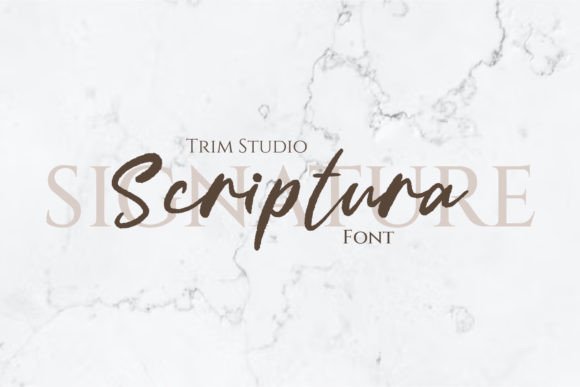
At its core, Scriptura is a simple script handwritten font defined by its flowing and elegant letterforms. In the realm of graphic design, the "flow" of a typeface is critical. Disjointed letters can disrupt the reading experience, but Scriptura features cursive styling and strokes that join together naturally. This creates a smooth, cohesive look that guides the eye effortlessly from one character to the next. This natural connectivity is essential for establishing a visual hierarchy that feels organic rather than manufactured. Whether used for a subtle accent or a bold headline, the font maintains a classic and timeless feel that adapts to both traditional and contemporary aesthetics.
Practical Applications in Modern Design
The versatility of a high-quality script font allows it to be deployed across a wide range of design workflow scenarios. Understanding where Scriptura can be most effective helps maximize its impact:
- Branding and Logo Design: A logo is the face of a business. Scriptura’s elegant letterforms can help create a distinct brand identity that feels personal and approachable, ideal for lifestyle brands, boutique agencies, or artisan products.
- Editorial and Web Design: In editorial layouts or website headers, the font adds a layer of sophistication. It creates a beautiful contrast when paired with clean sans-serif body text, enhancing the user experience (UX) without sacrificing readability.
- Packaging and Merchandise: For physical products, typography influences perceived value. The classic vibe of Scriptura elevates packaging design, making products on the shelf appear premium and well-crafted.
- Digital Marketing and Social Media: In the fast-paced world of social media graphics, human elements stop the scroll. A handwritten font like Scriptura breaks through the rigidity of standard digital fonts, adding warmth to advertisements and posts.
Technical Efficiency: The Power of PUA Encoding
One of the most significant challenges in using decorative fonts is technical compatibility. Often, designers find a beautiful typeface only to discover that special characters or swashes are inaccessible in certain software. Scriptura solves this problem through PUA (Private Use Areas) encoding.
Being PUA encoded means that all the delightful glyphs, alternate characters, and swashes are fully accessible outside of standard design software. Whether you are working in Adobe Illustrator, Photoshop, or even a simple text editor for web design, you can access the full character set effortlessly. This technical feature ensures that your creative projects are not limited by the software you use, allowing for consistent application across all platforms, from UI design to print media.
Integrating Scriptura into Your Design Workflow
While a high-quality font is a powerful tool, its effectiveness relies on thoughtful implementation. Here are practical tips for integrating Scriptura into your work:
- Contrast is Key: To maintain readability, pair Scriptura with a clean, geometric sans-serif for body copy. This contrast creates a professional presentation and ensures the message is accessible.
- Visual Hierarchy: Use the font for headings, pull quotes, or call-to-action buttons where you want to draw the eye. Its distinct style naturally commands attention.
- Color Palette Compatibility: Scriptura pairs well with soft, muted color palettes for a romantic aesthetic, or stark black and white for a modern, high-contrast look. Consider your existing brand identity when selecting colors.
- Scalability: As with any script font, test how it renders at different sizes. Ensure that the swashes remain legible on smaller mobile screens in your UI design.
Ultimately, the tools a designer chooses define the quality of the final product. By selecting assets that combine aesthetic beauty with technical reliability—such as the PUA-encoded Scriptura