Burgundy: A Sweet & Friendly Handwritten Font for Modern Design
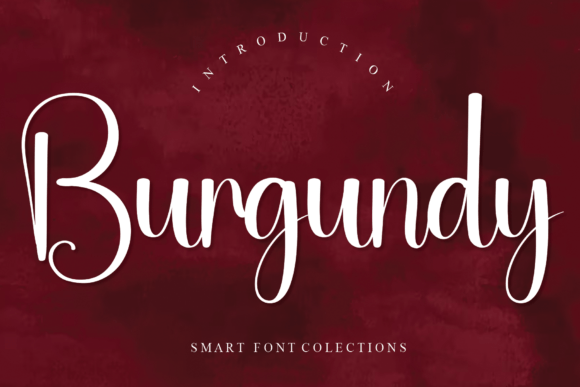
In the crowded landscape of digital communication, the right typeface can instantly convey warmth and personality. Burgundy is a sweet and friendly handwritten font designed to bridge the gap between casual charm and professional elegance. Fresh and neat, this font is ideal for writing wedding invitations, cards, or any other design that might need a fun touch. For graphic designers and brand strategists, integrating a versatile script like Burgundy into your toolkit allows you to infuse projects with a human-centric aesthetic that resonates emotionally with audiences.
Elevating Visual Hierarchy with Handwritten Typography
In modern visual design, typography is more than just legible text; it is a critical component of the visual hierarchy. While sans-serifs often handle body copy, a font like Burgundy serves as a powerful accent. Its fluid lines and organic structure break the rigidity of grid-based layouts, guiding the viewer's eye to key focal points. Whether used for a headline in editorial design or a call-to-action in digital marketing, this font style adds a layer of authenticity that standard corporate typefaces often lack.
Practical Applications for Creative Assets
The utility of a high-quality handwritten font extends across various mediums. Because of its "fresh and neat" quality, Burgundy is particularly effective in projects where personal connection is paramount. It functions as a creative asset that adapts to both print and digital environments, ensuring consistency in cross-channel campaigns.
- Branding and Logo Design: Perfect for lifestyle brands, bakeries, or boutique agencies looking to soften their brand identity.
- Packaging Design: Adds a tactile, artisanal feel to product labels, making items stand out on crowded shelves.
- Social Media Graphics: Creates immediate visual stop-power in Instagram stories or Pinterest pins, driving higher user engagement.
- Editorial and Web Design: Works beautifully for pull quotes or subheadings in blogs, adding a conversational tone to the user experience (UX).
Integrating Burgundy into Your Design Workflow
Effective use of script fonts requires a strategic approach to design workflow. When incorporating Burgundy, consider the surrounding elements to maintain readability. A common best practice in graphic design is to pair a handwritten font with a clean, geometric sans-serif. This contrast creates a balanced composition, ensuring that the message remains clear while the aesthetic remains inviting.
Furthermore, color palette selection plays a vital role. Burgundy pairs exceptionally well with muted earth tones, pastels, or deep jewel tones, depending on the desired mood. For a wedding invitation, soft creams and greens create a romantic vibe; for a digital marketing campaign, a high-contrast background can make the font pop. Always test the font at various scales to ensure it retains its legibility, particularly in UI design where clarity is essential for navigation.
Design Trends and Professional Presentation
Current design trends lean heavily toward authenticity and "human" touches. Consumers are increasingly drawn to brands that feel approachable rather than corporate. By utilizing a font like Burgundy, you align your visual communication with this shift toward modern aesthetics. It signals that a brand values personal connection, which can significantly improve the perceived quality of digital products and merchandise.
Ultimately, the goal of any design project is effective communication. The tools you choose—whether imagery, composition, or typography—must work in harmony to deliver that message. Thoughtful design choices, such as selecting a font that balances friendliness with functionality, demonstrate a commitment to quality. When you invest in premium creative assets that offer both versatility and visual appeal, you elevate the entire project, ensuring your work not only looks good but connects meaningfully with its intended audience.